Laser Scanning for Kitchen Manufacturers
Laser scanning for kitchen manufacturers is changing the way custom kitchens are measured, designed, produced, and installed. It helps professionals capture accurate dimensions and reduce costly fitting errors.
In kitchen manufacturing, precision is essential. Cabinets, worktops, wall panels, appliances, sinks, and fittings must all match the real space.
However, kitchens are rarely perfect. Walls may not be straight, corners may not be square, and existing structures can create measurement challenges.
For this reason, laser scanning has become a valuable tool for modern carpentry and kitchen production. It improves accuracy, saves time, and supports better planning.
What Is Laser Scanning?
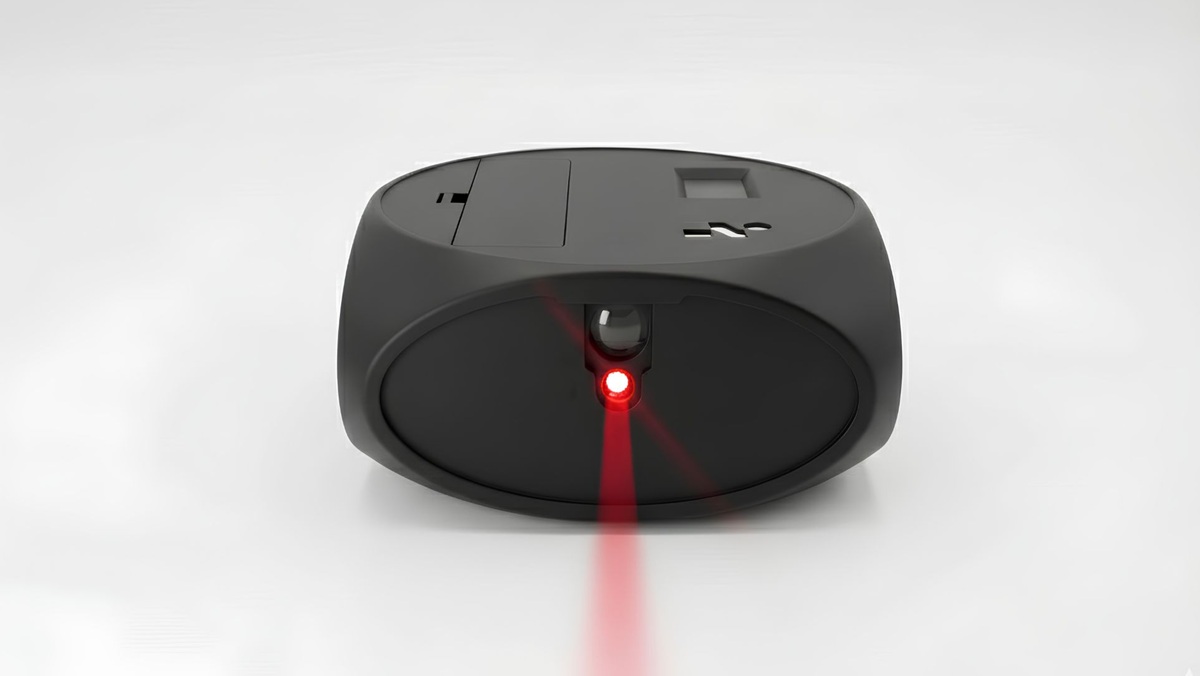
Laser scanning is a measurement method that uses laser beams to capture the dimensions of a space or object. The scanner sends a laser signal toward a surface and measures the returned reflection.
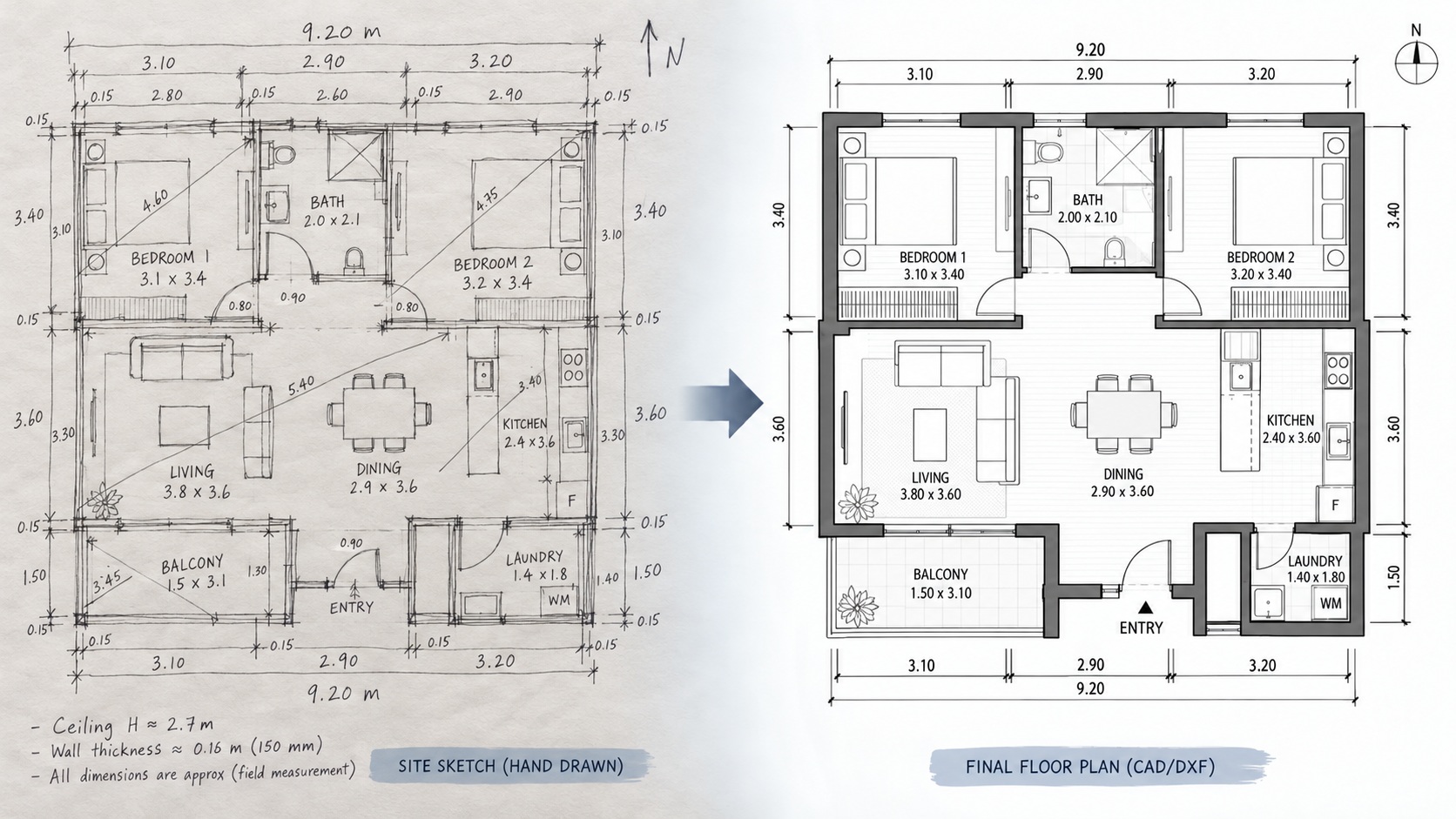
Using this data, the system calculates distances and positions. The result can be a point cloud, a digital model, or accurate 2D measurement data.
For kitchen manufacturers, this means that the real room can be measured more reliably than with manual tools alone.
Instead of depending only on tape measures, sketches, and handwritten notes, professionals can work with digital measurements taken directly from the space.
Why Kitchen Manufacturers Need Accurate Measurements
Kitchen manufacturing leaves very little room for error. Even a small mistake can affect the final fit of cabinets, worktops, or wall units.
For example, a wall may look straight but have small deviations. A corner may appear square but measure slightly above or below 90 degrees.
These details matter. If they are missed, the final installation may require rework, cutting, filling, or additional site visits.
Accurate laser scanning helps prevent these problems. It gives manufacturers better information before production begins.
Benefits of Laser Scanning for Kitchen Manufacturers
Laser scanning for kitchen manufacturers offers several important benefits. It improves precision, reduces errors, and makes the workflow more efficient.
1. Better Precision and Accuracy
Laser scanning captures detailed measurements from the real kitchen space. This helps manufacturers understand the exact shape of the room.
Accurate data is especially important for custom kitchens. Every cabinet, panel, and worktop must fit the available space correctly.
As a result, manufacturers can produce components with greater confidence.
2. Fewer Measurement Errors
Manual measuring can easily lead to mistakes. A number may be written incorrectly, a wall angle may be missed, or an irregular corner may be ignored.
Laser scanning reduces these risks. It captures the geometry of the space more consistently and gives professionals a clearer measurement base.
This leads to better-fitting components and fewer problems during installation.
3. Faster Site Measurement
Traditional measuring can take a long time, especially in complex kitchens. The user must measure walls, diagonals, openings, corners, and appliance positions manually.
Laser scanning makes data collection faster. It helps capture more information in less time.
Therefore, the planning phase becomes more efficient. In many cases, it can also reduce the need for repeated site visits.
4. Improved Design and Planning
With accurate measurements, kitchen manufacturers can plan layouts more effectively. They can understand how cabinets, appliances, and worktops will fit into the space.
This improves decision-making before production starts. It also helps avoid design choices that may not work on site.
Better planning can reduce material waste, improve production accuracy, and create a smoother installation process.
5. Better Handling of Irregular Spaces
Many kitchens have irregular geometry. Walls may curve, corners may be uneven, and old buildings may have structural imperfections.
Traditional measuring tools often struggle with these conditions. However, laser scanning can capture these details more clearly.
This is especially useful for custom cabinets, wall panels, splashbacks, and worktops that must follow the real shape of the room.
Practical Applications in Kitchen Manufacturing
Laser scanning can support many stages of kitchen manufacturing. It is useful from the first site visit to the final quality check.
Custom Cabinet Design
Custom cabinets must fit the available space precisely. Laser scanning helps capture room dimensions, wall positions, and important details before design begins.
This allows manufacturers to design cabinets that match the real kitchen layout. As a result, the final installation becomes easier and more accurate.
Worktop Installation
Worktop installation is one of the most demanding parts of kitchen manufacturing. Worktops are large, visible, and difficult to adjust after production.
They must fit around walls, sinks, hobs, corners, and other fixtures. Even small measurement errors can create gaps or alignment problems.
Laser scanning helps capture the required dimensions more accurately. This supports better fabrication and reduces the risk of expensive corrections.
Precision During Installation
Accurate measurement data helps installers work with more confidence. If the components are produced correctly, the installation can be completed faster.
This reduces on-site adjustments and helps avoid delays. It also improves the final appearance and functionality of the kitchen.
Retrofit and Renovation Projects
Renovation projects often involve existing walls, old cabinets, uneven surfaces, and unexpected site conditions.
Laser scanning helps document the current state of the kitchen. This gives manufacturers a clearer starting point for planning modifications.
It also creates a digital record that can be useful for future changes, repairs, or upgrades.
Optimized Space Utilization
Kitchen space must be used carefully. Every cabinet, drawer, appliance, and worktop section must be planned with precision.
Laser scanning helps manufacturers understand the available space more accurately. Therefore, they can create layouts that improve both function and appearance.
Quality Control and Inspection
Laser scanning can also support quality control. After installation, measurements can be checked against the planned design.
This helps verify that the final kitchen matches the required specifications. It also supports higher standards and better client satisfaction.
2D Scanning vs. 3D Scanning for Kitchens
3D scanning can be useful for complex documentation. It creates detailed point clouds and 3D models.
However, not every kitchen project needs a full 3D model. In many cases, manufacturers mainly need accurate wall positions, angles, lengths, and layout data.
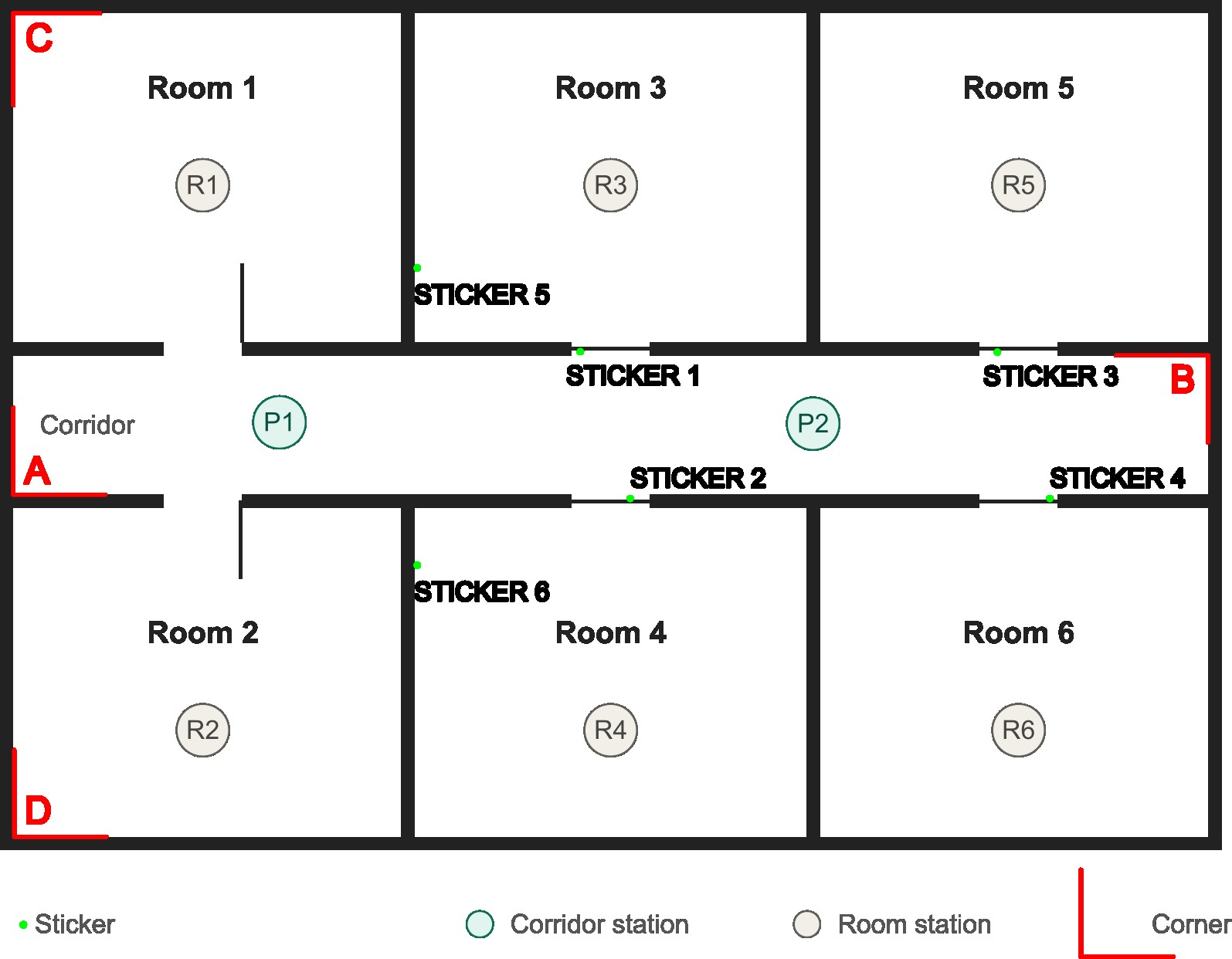
For these tasks, 2D scanning can be more practical. It focuses on the measurements needed for floor plans, worktop planning, wall angles, and room geometry.
Because it creates less data, the workflow can be simpler and faster. This makes 2D scanning a strong option when 3D scanning is too complex or unnecessary.
How 2Dscanner Helps Kitchen Manufacturers
2Dscanner is designed for professionals who need accurate interior measurements without complicated 3D scanning workflows.
For kitchen manufacturers, it can help capture wall angles, room dimensions, and layout geometry. These details are essential for cabinets, worktops, and custom installations.
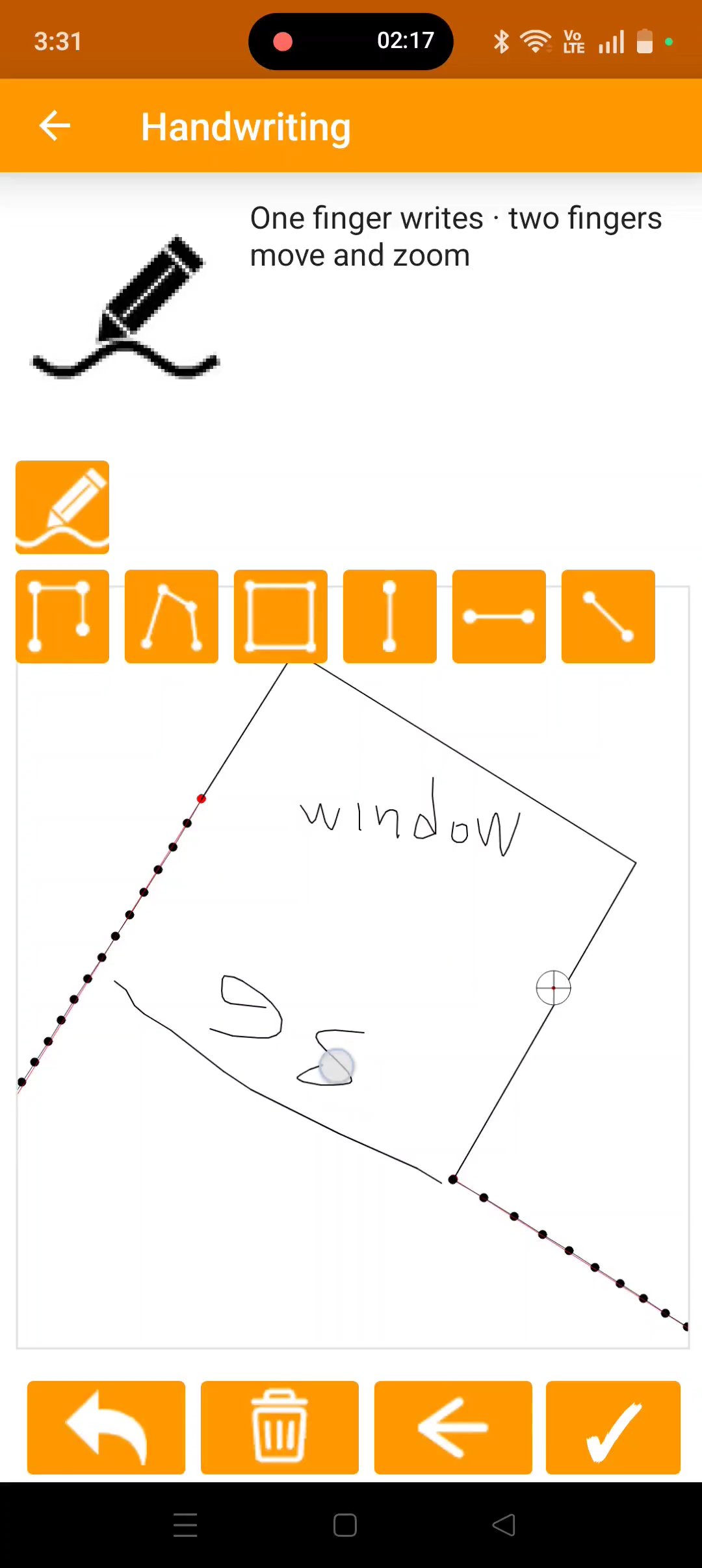
With real-time feedback, users can check the scan during the measurement process. This helps reduce missed details and improves confidence before leaving the site.
2Dscanner is also practical for irregular rooms, curved walls, and older buildings. It helps professionals collect useful measurement data in a simpler way.
Who Can Benefit from Laser Scanning?
Laser scanning is useful for many professionals involved in kitchen production and installation.
- Kitchen manufacturers: Create accurate designs before production.
- Carpenters: Measure walls, corners, and fitting areas more reliably.
- Worktop installers: Capture dimensions for precise fabrication.
- Interior designers: Plan layouts based on real room geometry.
- Contractors: Reduce installation issues and site corrections.
- Renovation specialists: Document existing kitchen conditions accurately.
Conclusion
Laser scanning for kitchen manufacturers improves accuracy, efficiency, and planning. It helps professionals capture real kitchen dimensions and reduce common measuring mistakes.
Accurate measurement data supports better cabinet design, worktop fabrication, installation, renovation, and quality control.
While 3D scanning can be powerful, many kitchen projects only need accurate 2D measurement data. In these cases, a practical 2D scanning workflow can save time and reduce complexity.
2Dscanner helps kitchen manufacturers, carpenters, and technical professionals measure interiors more easily. It offers a simpler way to capture reliable data for custom kitchen projects.
For more information, visit the 2Dscanner YouTube channel. You can also read the help documentation or explore the FAQ section.